Ductless Mini Splits for Older Yakima Homes
If your house never had ducts, or the ducts you have do not reach every room, a ductless system may be the cleanest fix.
October 7, 2026 · 4 min read
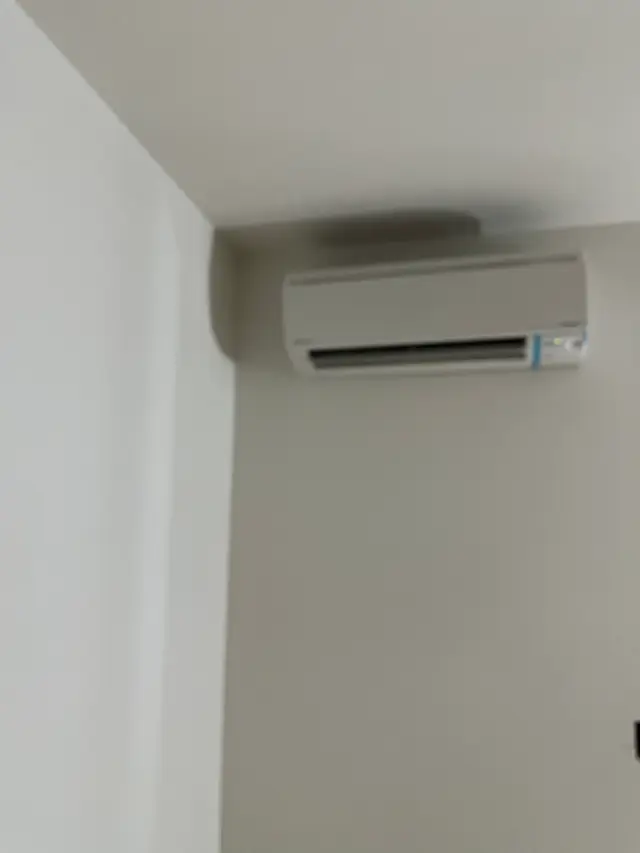
Plenty of the homes around Yakima, Selah, Naches and Wapato were built before anyone planned for central air. Some have a single wall furnace. Some have ducts that reach most of the house but skip the sunroom, the finished attic or the garage that became a bedroom. Cutting new duct runs into old plaster and tight framing is messy and sometimes not practical.
That is the situation where ductless mini splits earn their place. Our home page puts it this way: ductless units are becoming more and more popular in the Yakima Valley as homeowners realize there are more efficient and greener cooling systems out there for older homes. We install them across the valley, and the reasons homeowners ask for them are pretty consistent.
How a ductless system is put together
A mini split has two main parts: an outdoor unit and one or more indoor units, called heads, which mount on the wall. A pair of small refrigerant lines and an electrical connection run between them through a small hole in the wall. That is the whole connection. There are no big ducts to run through attics and floors, and no heat lost along the way.
Each indoor head has its own controls, so the room it serves can be set to its own temperature. That is the difference you notice day to day. You are not cooling a whole house to fix one hot bedroom.
Single room versus multi-zone
Planning is where the system gets matched to your house, and there are two broad options.
- Single room: one outdoor unit and one indoor head. This suits an addition, a converted garage, a shop, a bedroom that never gets comfortable or a room where a window unit has been doing the job badly.
- Multi-zone: one outdoor unit serving several indoor heads, each in its own room or area. This suits a whole house with no ducts, or a remodel where you want comfort in several spaces without opening walls.
A customer of ours, Jeff Markel, wrote on Google about a three head mini split that our crew installed on a tight schedule. One detail he mentioned was that the outdoor equipment went on a slab instead of “putting all that weight on the south side of house that was worn a lot.” That is exactly the sort of thing the planning step is for: looking at where things will actually sit and what the house can carry.
Ask for a layout that shows which heads go in which rooms and why. A head placed to blow straight across a bed or a desk is a comfort complaint waiting to happen.
The five steps of a CP Mechanical install
- Assessment: we look at the home, the rooms you want covered, and the electrical and structure involved.
- Planning: we work out single-room or multi-zone units and where each piece will go.
- Mounting the indoor units: heads go on the wall at the planned spots, with the lines routed through the wall.
- Outdoor unit placement: the outdoor unit is set on a pad or other stable support with room around it for airflow and service.
- Refrigerant and electrical connections: the lines and wiring are connected, the system is checked, and the unit is brought up and tested.
Because the electrical side matters on a job like this, it helps that CP Mechanical is also a licensed electrical contractor. The wiring and the system can come from the same crew.
Keeping a mini split running well
Ductless systems are simple, but they are not maintenance free. The upkeep list is short, and most of it takes a few minutes:
- Clean or replace the air filters in the indoor heads. This is the one homeowners can do themselves, and it matters more than anything else on the list.
- Maintain the outdoor unit. Keep it clear of leaves, grass and cottonwood fluff, and keep plants trimmed back from it.
- Have the indoor coils inspected and cleaned. Dust and film build up on them, and that cuts airflow and can leave odors.
- Have the refrigerant levels checked. Refrigerant does not get used up, so a low reading means a leak that should be tracked down, not just topped off.
Many ductless models also run in reverse to heat a room in cooler weather. Ask during the assessment whether that suits the room and the way you plan to use it.
When it is the right fit
A mini split is not the answer for every house. A home with good ductwork that just needs a newer system is often better served by central equipment. But for older homes, additions, shops, finished attics and rooms the main system does not reach, ductless is worth a serious look, and an assessment will tell you quickly which side of that line your house is on.
Our mini splits page walks through the install and the upkeep. To set up an assessment anywhere in the Yakima Valley, from Moxee and Toppenish to Zillah and Sunnyside, call CP Mechanical at (509) 426-2069.
CP Mechanical LLC, (509) 426-2069
Call (509) 426-2069More articles
Cottonwood and Your AC Condenser: What a Summer Coil Clean Does
By July, a lot of Yakima Valley air conditioners are wearing a gray felt blanket, and it is quietly making your system work harder.
Repair or Replace? Four Signs Your Central HVAC Is Done
Every repair feels like a small decision, but together they add up to a bigger one, and four signs usually show when it is time.